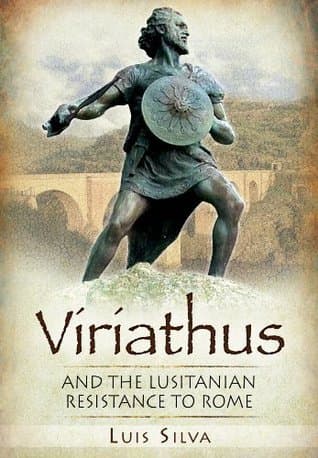
Viriathus and the Lusitanian Resistance to Rome 155-139 BC
0 оценок
страницы
О книге
Following the 2nd Punic War in 202 BCE when the Carthaginians were ousted from Iberia, Rome thought it controlled the region. Soon, however, they found themselves pitted against an unexpected native Iberio-Celts, the Lusitanians. With one occupier gone, the Lusitanians took the opportunity to oppose their replacement, the Romans, in order to establish their own nation. Led by the charismatic Viriathus [vee-RAA-toos], whose example instilled the same kind of fury & devotion as the future Celtic warrior queen Boudica, the Lusitanians began a bitter war with Rome in 155 BCE that would rage on & off for the next 25 years. Despite military advantage, the Romans couldn't at first defeat the Lusitanians. They offered a peace treaty. A large number of Lusitanians & their key leaders arrived at the designated meeting point, only to be massacred. Viriathus managed to escape & rallied his people to continue fighting. Knowing they didn't have the numbers of trained soldiers to oppose the Romans, Viriathus developed a guerrilla campaign of hit-&-run tactics & attrition. After years of stalemate, Rome again sued for peace. Following a short truce the war resumed. Rome still couldn't subdue the Lusitanians. Finally, they resorted to paying assassins to do what the army couldn' kill Viriathus. With his death, Lusitanian resistance collapsed. Rome secured Iberia as a province. Based on classical sources & Portuguese & Spanish language archival material, The Lusitanian War is the first booklength study of this leader & the campaign he waged. His style of warfare had a profound influence on future Roman Army tactics fighting native troops.
Жанр
История. Общество
0
ещё нет оценок